What's New

Instagram

About Me

Photo Profile
Meetanshi Architecture Designer

Meetanshi is found based on providing the best Magento Extensions and Customized eCommerce Business Solutions perfected to the users’ needs. Our Happy users make us Happy. Complete satisfaction to our clients is what drives and motivates us to work hard. Read More

Wednesday, September 25, 2024

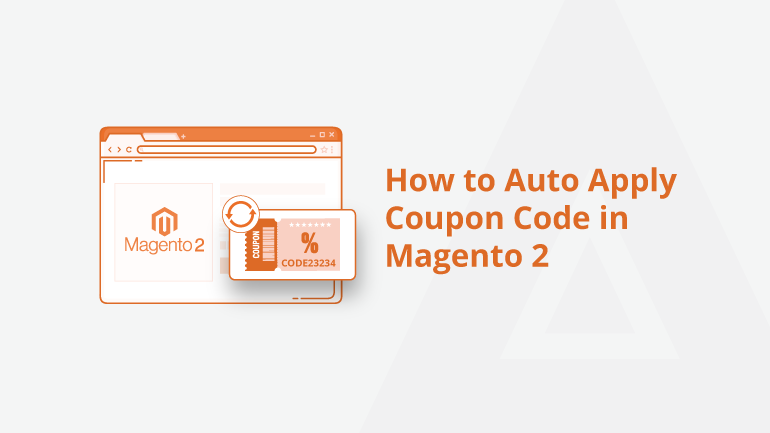
Magento 2 Made Easy: Auto-Applying Coupon Codes for Better Sales

 Introduction

In the competitive world of eCommerce, providing customers with a seamless shopping experience is crucial. One effective way to enhance this experience is by auto-applying coupon codes at checkout. Magento 2, with its powerful promotional tools, allows store owners to automate this process, making it easier for customers to enjoy discounts and for businesses to boost sales. This blog will guide you through the simplified method of setting up auto-applied coupon codes in Magento 2, helping you drive better sales with minimal effort.


Step 1: Set Up a New Cart Price Rule

Access the Cart Price Rules: Go to Marketing > Promotions > Cart Price Rules in your Magento 2 Admin panel.

Create a New Rule: Add a new rule with a descriptive name, active status, and applicable customer groups.

Define the Coupon: Set the coupon type to Specific Coupon and enter the desired coupon code.

Step 2: Configure the Conditions

Set Up Conditions: Define criteria such as minimum cart total or product-specific conditions.

Universal Application: Leave conditions blank if you want the coupon to apply to all customers.

Step 3: Adjust the Actions

Select Discount Type: Choose the type of discount (percentage, fixed amount) and enter the value.

Auto-Application: Ensure the discount is set to auto-apply by confirming the appropriate settings.

Step 4: Finalize and Test the Rule

Label the Promotion: Provide a clear label for the promotion that will appear to customers.

Save and Activate: Save the rule and ensure it's active for the coupon to apply automatically.

Test the Rule: Add products to your cart and verify that the coupon is applied without manual input.


Conclusion

Auto-applying coupon codes in Magento 2 is a straightforward yet powerful feature that can significantly enhance the shopping experience and drive more sales. By setting up these coupons correctly, you can ensure that customers receive the best deals without any hassle, leading to higher satisfaction and loyalty. With Magento 2, making this process easy translates directly to better sales outcomes.

For a detailed blog:https://meetanshi.com/blog/magento-2-auto-apply-coupon-code/



Monday, September 23, 2024

How to Prepare for Shopify Certification Exams in 2024: Tips & Resources

 Introduction

Shopify Certification is a valuable credential for developers, designers, and e-commerce experts looking to showcase their proficiency in working with the Shopify platform. Whether you're aiming to expand your career opportunities, gain credibility, or increase your knowledge, the certification exams in 2024 will play a pivotal role. In this blog, we'll explore the best strategies, tips, and resources to help you successfully prepare for the Shopify Certification exams in 2024.


Understand Shopify Certifications – Choose from certifications like App Developer, Theme Developer, or Store Design based on your goals.


Use Shopify Partner Academy – Leverage free courses and study guides to get familiar with exam content and structure.


Master Shopify Core Concepts – Focus on Liquid templating, Shopify APIs, and Online Store 2.0 for a strong foundation.


Set a Study Schedule – Organize your study into small, consistent intervals and track progress using task management tools.


Use Official Documentation – Refer to Shopify’s official documentation for up-to-date info on APIs, Liquid, and more.


Practice on Real Stores – Create a development store via your Partner Account and apply your skills in real-world scenarios.


Take Practice Exams – Use Shopify Partner Academy’s practice tests to assess your readiness and improve weak areas.


Join Shopify Community – Engage in forums to seek advice, ask questions, and connect with others preparing for certification.


Use Third-Party Resources – Supplement your study with courses from Udemy, LinkedIn Learning, or Coursera tailored for Shopify.

Stay Updated – Keep up with Shopify’s latest features and platform changes by following their developer updates.


Conclusion

Preparing for Shopify Certification Exams in 2024 requires a combination of structured learning, hands-on experience, and using the right resources. With a clear study plan, regular practice, and a deep understanding of Shopify’s platform, you’ll be well on your way to earning your certification and advancing your career in e-commerce.

For a detailed blog: https://meetanshi.com/blog/shopify-certification/


How to Prepare for Shopify Certification Exams in 2024: Tips & Resources

 Introduction

Shopify Certification is a valuable credential for developers, designers, and e-commerce experts looking to showcase their proficiency in working with the Shopify platform. Whether you're aiming to expand your career opportunities, gain credibility, or increase your knowledge, the certification exams in 2024 will play a pivotal role. In this blog, we'll explore the best strategies, tips, and resources to help you successfully prepare for the Shopify Certification exams in 2024.


Understand Shopify Certifications – Choose from certifications like App Developer, Theme Developer, or Store Design based on your goals.


Use Shopify Partner Academy – Leverage free courses and study guides to get familiar with exam content and structure.


Master Shopify Core Concepts – Focus on Liquid templating, Shopify APIs, and Online Store 2.0 for a strong foundation.


Set a Study Schedule – Organize your study into small, consistent intervals and track progress using task management tools.


Use Official Documentation – Refer to Shopify’s official documentation for up-to-date info on APIs, Liquid, and more.


Practice on Real Stores – Create a development store via your Partner Account and apply your skills in real-world scenarios.


Take Practice Exams – Use Shopify Partner Academy’s practice tests to assess your readiness and improve weak areas.


Join Shopify Community – Engage in forums to seek advice, ask questions, and connect with others preparing for certification.


Use Third-Party Resources – Supplement your study with courses from Udemy, LinkedIn Learning, or Coursera tailored for Shopify.

Stay Updated – Keep up with Shopify’s latest features and platform changes by following their developer updates.


Conclusion

Preparing for Shopify Certification Exams in 2024 requires a combination of structured learning, hands-on experience, and using the right resources. With a clear study plan, regular practice, and a deep understanding of Shopify’s platform, you’ll be well on your way to earning your certification and advancing your career in e-commerce.

For a detailed blog: https://meetanshi.com/blog/shopify-certification/


Step-by-Step Guide to Creating a Shopify Developer Account in 2024

 Introduction

Creating a Shopify Developer account is the first step toward building apps, themes, and custom solutions for the Shopify platform. Whether you’re a freelance developer, an agency, or a Shopify partner, having a Developer Account will give you access to Shopify’s extensive resources. In this guide, we’ll walk you through setting up your Shopify Developer Account in 2024, including the latest updates and features.

Visit Shopify Partner Website – Go to the Shopify Partner Program website.

Click “Join Now” – Start the registration process by clicking the "Join Now" button.

Sign Up with Email – Enter your email, password, and business details to create your account.

Set Up Two-Factor Authentication – Optionally enable 2FA for enhanced security.

Complete Account Details – Provide additional business and role information.

Access Partner Dashboard – Explore the dashboard to manage stores and development tools.

Create a Development Store – Add a development store for app and theme testing.

Explore Shopify’s Developer Tools – Access APIs, CLI, and Theme Kit for development.

Join Shopify’s Developer Community – Engage with other developers for support and updates.

Submit Your First App or Theme (Optional) – Publish your app or theme to the Shopify marketplace.


Conclusion

By following these simple steps, you’ll have your Shopify Developer Account set up in no time, ready to create powerful apps, themes, and solutions for merchants. Becoming a Shopify Developer in 2024 opens new opportunities and access to a thriving e-commerce ecosystem.

 For a detailed blog:  https://meetanshi.com/blog/how-to-create-shopify-developer-account/


Sunday, September 22, 2024

Shopify vs. Storenvy: Which Platform is Right for Your Online Store in 2024?

 When it comes to selling online in 2024, choosing the right platform is essential for the success of your business. With many e-commerce platforms available, two that often stand out are Shopify and Storenvy. Both have unique features, strengths, and potential drawbacks, depending on your business type. In this blog, we'll compare Shopify and Storenvy in 2024, helping you decide which platform is right for your online store.


Overview of Shopify

Shopify is one of the largest and most popular e-commerce platforms in the world. Known for its robust features, user-friendly interface, and flexibility, Shopify supports millions of businesses across industries. Whether you’re a small start-up or an established enterprise, Shopify offers a range of tools to scale and manage your business.

Overview of Storenvy

Storenvy offers a different approach compared to Shopify, catering more toward small businesses, artists, and creators looking to sell their unique products. It’s known for its marketplace-style platform where independent businesses can list their products and offer a customizable storefront.

Conclusion:

In 2024, both Shopify and Storenvy offer valuable tools and opportunities for online sellers, but they cater to different types of businesses. Shopify is ideal for those looking for scalability, extensive customization, and robust support. On the other hand, Storenvy is better suited for creative sellers seeking a low-cost, community-based platform. Carefully consider your business size, product type, and long-term goals when choosing the best platform for your online store.

For a detailed blog:https://meetanshi.com/blog/shopify-vs-storenvy/

The Future of Content: How AI is Transforming the Writing Process

 The world of content creation is evolving rapidly, and at the forefront of this transformation is Artificial Intelligence (AI). AI writing tools are not just making content creation faster but are also helping writers deliver more accurate, creative, and data-driven content. As we step into 2024, it's clear that AI is reshaping how we approach writing, whether it’s for blogs, articles, social media, or business reports.


1. Streamlining Content Generation

AI tools can generate drafts quickly, saving time for writers. These tools understand the context and produce coherent text in minutes.

2. Enhancing Creativity and Ideas

AI helps spark creativity by providing ideas and alternate phrasings. Tools offer templates that inspire headlines, captions, and marketing copy.

3. Improving SEO and Content Optimization

AI tools analyze keywords and optimize content for better search rankings. They provide insights into structure, content length, and SEO strategies.

4. Ensuring Quality and Accuracy

AI helps detect grammar errors and improves readability. Fact-checking and accuracy features ensure high-quality, trustworthy content.

5. Customization and Personalization

AI generates tailored content based on user preferences and behavior. It adjusts tone and style to create personalized experiences for readers.

6. Boosting Productivity and Efficiency

AI handles repetitive tasks like formatting and editing, saving time. Writers can focus on creativity while AI enhances efficiency.

7. Adapting to Multiple Formats and Platforms

AI tools adapt content for different platforms and formats. Whether it's a blog post or a social media update, AI ensures consistency.

For a detailed blog: https://meetanshi.com/blog/best-ai-tools-for-writing/


Thursday, September 19, 2024

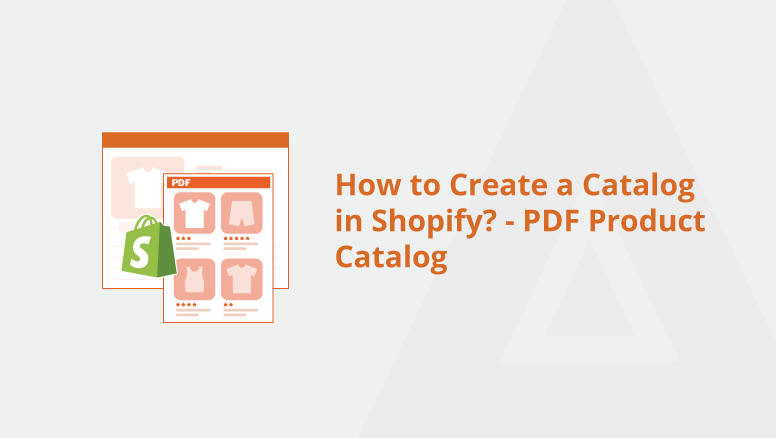
How to Generate a Custom Product Catalog PDF in Shopify

 Creating a custom product catalog in PDF format can be an essential tool for showcasing your Shopify store’s products. Whether you’re sharing your catalog with potential wholesale buyers or offering it to customers who prefer browsing offline, generating a PDF catalog is an excellent way to present your inventory professionally and visually. Here's a step-by-step guide to help you create a custom product catalog PDF in Shopify.


Organize Products in Shopify: Ensure product titles, descriptions, and images are accurate and up-to-date.

Choose a Catalog App: Use apps like Catalog Machine, PDF Catalog Print, or ZINation to create custom catalogs.

Customize Layout: Personalize themes, colors, fonts, and add branding, product groupings, and descriptions.

Generate & Export PDF: Review, preview, and export the catalog in high-quality for online sharing or printing.

Share the Catalog: Distribute via email, social media, or offer as a download link on your Shopify store.

Bonus Tips: Use professional images, include a table of contents, QR codes, and update seasonally for fresh content.


Conclusion

Generating a custom product catalog in PDF format for your Shopify store is a fantastic way to present your products offline and reach a wider audience. You can create a visually stunning and effective product catalog by organizing your products, using a dedicated app, and customizing the layout to reflect your brand. Whether you're targeting wholesale buyers or individual customers, a PDF product catalog is a valuable tool for boosting sales and enhancing your brand's professionalism.

For a detailed blog https://meetanshi.com/blog/how-to-create-a-catalog-in-shopify/

Wednesday, September 18, 2024

Top 10 Must-Know Google Search Trends and Statistics for 2024

 As we step into 2024, Google Search continues to dominate the digital landscape. Staying ahead of the latest trends and understanding key statistics is crucial for marketers, businesses, and content creators looking to boost their online presence. Whether you're focusing on SEO strategies, content marketing, or user experience, these Google Search trends will help shape your approach in 2024


1. Google Handles Over 8.5 Billion Searches Per Day

Optimizing for Google is essential, with over 8.5 billion daily searches worldwide.

2. Voice Search Continues to Rise

Voice search is growing, making natural language and long-tail keyword optimization crucial.

3. Mobile-First Indexing is Non-Negotiable

With 60% of searches on mobile, optimizing for mobile-first indexing is critical for rankings.

4. Google's Zero-Click Searches on the Rise

Zero-click searches are increasing, so optimizing for featured snippets enhances visibility.

5. Local Searches Result in 28% of Conversions

Local SEO is essential, as 28% of local searches convert within 24 hours.

6. The Impact of Visual Search is Expanding

Visual search is gaining popularity, so optimizing images can drive additional traffic.

7. Video Content Continues to Gain Importance

Video content is booming, with 82% of internet traffic expected to come from videos by 2024.

8. The Rise of AI and Machine Learning in Search Algorithms

AI-driven algorithms like RankBrain and BERT reward content that matches user intent.

9. Core Web Vitals as a Ranking Factor

Optimizing Core Web Vitals for speed and usability directly impacts search rankings.

10. E-A-T Principles Continue to Influence Rankings

Building content that demonstrates expertise, authority, and trustworthiness is key to ranking well.

Conclusion

In 2024, Google Search continues to evolve with trends like voice search, mobile-first indexing, and AI-powered algorithms shaping how users find information. By understanding and adapting to these key trends and statistics, businesses can improve their visibility, attract more organic traffic, and stay ahead of the competition in the ever-changing digital landscape. Focus on user experience, quality content, and technical SEO to thrive in Google’s ecosystem this year.

For a detailed blog:https://meetanshi.com/blog/google-search-statistics/


Get more of our update !