What's New

Instagram

About Me

Photo Profile
Meetanshi Architecture Designer

Meetanshi is found based on providing the best Magento Extensions and Customized eCommerce Business Solutions perfected to the users’ needs. Our Happy users make us Happy. Complete satisfaction to our clients is what drives and motivates us to work hard. Read More

Monday, March 10, 2025

9 Best Shopify Apps for Live Chat in 2025


Live chat has become an essential feature for eCommerce businesses, allowing merchants to provide instant customer support and boost engagement. A reliable live chat app can enhance customer experience and increase conversions if you're running a Shopify store. In this blog, we'll explore the 9 best Shopify apps for live chat in 2025, helping you choose the right solution for your store.


How to Use Shopify Apps for Live Chat


Using live chat on your Shopify store is easy and enhances customer engagement. First, choose a live chat app like Tidio, Gorgias, or Zendesk Chat from the Shopify App Store and install it. Customize the chat widget’s design and set up automated responses or AI chatbots to handle common inquiries. Integrate the app with email, social media, and CRM tools for a seamless customer support experience. Monitor and respond to customer queries in real time through the app’s dashboard or mobile app. Lastly, analyze chat performance to optimize response times and improve customer satisfaction.


Conclusion

Choosing the right live chat app for your Shopify store depends on your business size, budget, and customer support needs. Whether you’re looking for AI-powered automation, multi-channel support, or a free live chat solution, these 9 best Shopify apps for live chat in 2025 offer a variety of features to enhance customer engagement and boost sales.

For detailed blog:https://meetanshi.com/blog/best-shopify-apps-for-live-chat/ 
Friday, March 7, 2025

Top 8 Shopify Mobile App Builder Apps to Elevate Your Store in 2025

 With the increasing dominance of mobile commerce, having a mobile app for your Shopify store is no longer optional—it’s a necessity. A well-designed mobile app enhances customer engagement, boosts sales, and strengthens brand loyalty. Fortunately, Shopify offers a range of powerful mobile app builder apps that enable merchants to create their own apps without coding expertise. Here’s a list of the top 8 Shopify mobile app builder apps in 2025 to help you transform your online store into a seamless mobile shopping experience.


Why Use a Shopify Mobile App Builder?

A Shopify mobile app builder app allows store owners to convert their online store into a fully functional iOS and Android mobile app without needing any coding skills. These apps enhance the shopping experience by providing a faster, more user-friendly interface compared to mobile websites. They help boost sales and conversions by offering seamless navigation, one-click checkout, and a personalized shopping experience. With features like push notifications, merchants can engage customers instantly with updates on discounts, new arrivals, and exclusive offers. Mobile apps also enhance brand loyalty and customer retention, encouraging repeat purchases. Additionally, they allow for offline browsing, ensuring that users can still interact with certain features without an internet connection. Overall, using a Shopify mobile app builder helps businesses streamline operations, improve customer engagement, and drive more revenue efficiently. 


Conclusion

Investing in a Shopify mobile app builder is a game-changer for eCommerce businesses looking to enhance customer engagement and increase sales. Whether you’re looking for AI-driven automation, real-time analytics, or seamless Shopify integration, these top 8 mobile app builders in 2025 offer powerful solutions to help your store thrive. Choose the one that best fits your business needs and take your Shopify store to the next level!

For detailed blog                       https://meetanshi.com/blog/best-shopify-apps-for-mobile-app-builder/

Thursday, March 6, 2025

7 Best Bulk Discount Shopify Apps to Boost Sales in 2025

 Offering bulk discounts is a powerful strategy to increase your average order value (AOV) and incentivize customers to buy more. Fortunately, Shopify provides a range of apps to help merchants set up bulk discounts seamlessly. In this blog, we’ll explore the 7 best bulk discount Shopify apps in 2025 that can help you boost sales and improve customer retention.


Why Use Bulk Discount Apps on Shopify?

Using bulk discount apps on Shopify is a smart strategy for increasing sales, encouraging larger purchases, and improving customer loyalty. These apps allow merchants to create tiered pricing, volume discounts, and automatic markdowns, making it easier to incentivize shoppers to buy in larger quantities. By offering bulk discounts, businesses can effectively boost their average order value (AOV) while maintaining customer satisfaction through cost savings. Additionally, these apps help streamline discount management, eliminating the need for manual price adjustments and coupon codes.


Top 7 Bulk Discount Shopify Apps for 2025


Bold Discounts – The Sales & Discounts Manager
Easily set up automatic bulk discounts and schedule flash sales to drive urgency.

Volume & Tiered Discounts by Shopacado
Offer tiered pricing based on quantity purchased with auto-applied cart discounts.

Hulk Volume Discounts
Customize BOGO offers, tiered pricing, and bulk discount tables on product pages.

Discounted Pricing by Booster Apps
Quick and simple bulk discount setup with one-click activation for easy management.

Automatic Discounts & Gifts
Combine bulk discounts with free gifts and cart-based promotions for higher AOV.

AIOD – All-in-One Automatic Discounts
A multi-purpose discount app that supports bulk, BOGO, and cart-based pricing.

VolumeBoost – Volume Discounts & Pricing
Ideal for wholesale pricing, offering volume-based discounts for different customer groups.


Implementing a bulk discount strategy can significantly increase sales and improve customer satisfaction. Whether you're running flash sales, wholesale discounts, or BOGO offers, these 7 best bulk discount Shopify apps in 2025 will help you maximize revenue and optimize customer experience


For a detailed blog :https://meetanshi.com/blog/shopify-apps-to-bulk-generate-discount-codes/

Wednesday, March 5, 2025

How to Set Up and Optimize Your First Microsoft Advertising Campaign

 Microsoft Advertising (formerly Bing Ads) is a powerful platform for reaching a broad audience and driving conversions. If you're new to Microsoft Ads, this guide will walk you through setting up and optimizing your first campaign effectively.


Create a Microsoft Advertising Account

Visit Microsoft Advertising and sign up for an account. Use an existing Microsoft account or create a new one. Set up billing details and select your preferred payment method to start running ads.

 Choose Your Campaign Type and Goals

Define your campaign objectives, such as increasing website traffic, generating leads, or driving sales. Choose from Search, Display, Shopping, or Audience campaigns to align with your business needs.

 Perform Keyword Research and Targeting

Use Microsoft’s Keyword Planner to find relevant keywords with high search volume and low competition. Utilize different match types (Broad, Phrase, Exact) to control how your ads appear in search results.

Set Up Ad Groups and Ad Copy

Organize ads into relevant ad groups and craft compelling ad copy. Include strong headlines, clear descriptions, and a call-to-action (CTA) that aligns with user intent.

Optimize Bidding Strategy and Budget

Choose a bidding strategy such as Manual CPC, Enhanced CPC, or Target ROAS. Set a daily budget that aligns with your advertising goals and adjust bids based on performance.


Setting up and optimizing a Microsoft Advertising campaign requires strategic planning and ongoing optimization. By following these steps, you can maximize your ad performance and achieve your business goals effectively. Start experimenting, analyze results, and fine-tune your campaigns for better ROI

For a detailed blog : https://meetanshi.com/blog/microsoft-advertising/

How to Optimize Google Business Profile for Local SEO in 2025

 Google Business Profile (GBP) remains a crucial factor for local SEO success in 2025. Optimizing your profi*le helps improve visibility, attract local customers, and boost search rankings. Here’s a step-by-*step guide to maximizing your GBP for better local SEO performance.


Claim and Verify Your Google Business Profile

Claiming and verifying your Google Business Profile is the first step to improving your local SEO. Visit Google Business Profile, claim your business, and complete the verification process. Ensure that all business details, such as name, address, and contact information, are accurate and up-to-date to maintain credibility and consistency across the web.

Optimize Your Business Information

Ensure your business name, address, and phone number (NAP) are consistent across all platforms. Choose the most relevant business categories, add your website URL, and update business hours, including holiday or special event timings, to provide accurate information to potential customers.

Upload High-Quality Photos and Videos

Adding high-resolution images and short videos showcasing your products, storefront, or team can significantly enhance engagement. Regularly updating visuals keeps your profile fresh and appealing, helping attract more local customers.

Manage and Respond to Customer Reviews

Encourage satisfied customers to leave genuine reviews and respond professionally to both positive and negative feedback. Engaging with reviews builds trust and improves your local search ranking, as Google values businesses with active interactions.

Utilize Google Posts for Engagement

Posting updates about promotions, events, or new products keeps your profile active and engaging. Use high-quality images, clear CTAs, and relevant keywords to enhance visibility and encourage customer interactions.

Track Performance and Make Improvements

Use Google Business Profile Insights to analyze search queries, profile views, customer actions, and direction requests. Regularly review and adjust your strategy based on data insights to improve your local SEO effectiveness.


A well-optimized Google Business Profile can significantly impact your local SEO rankings and customer engagement. Stay consistent with updates, interact with customers, and refine your strategy to maximize your local search visibility in 2025.


For detailed blog:https://meetanshi.com/blog/guide-to-local-seo/


Tuesday, March 4, 2025

Shopify Login Demystified: Partner and Admin Access Simplified


Understanding the differences between Shopify's Admin and Partner login portals is essential for effectively managing your online business. This guide simplifies the processes for accessing both, ensuring you can navigate Shopify's platforms with ease.


Shopify Admin Login


The Shopify Admin Dashboard is designed for store owners and their staff to manage daily operations, including product listings, orders, and payments.


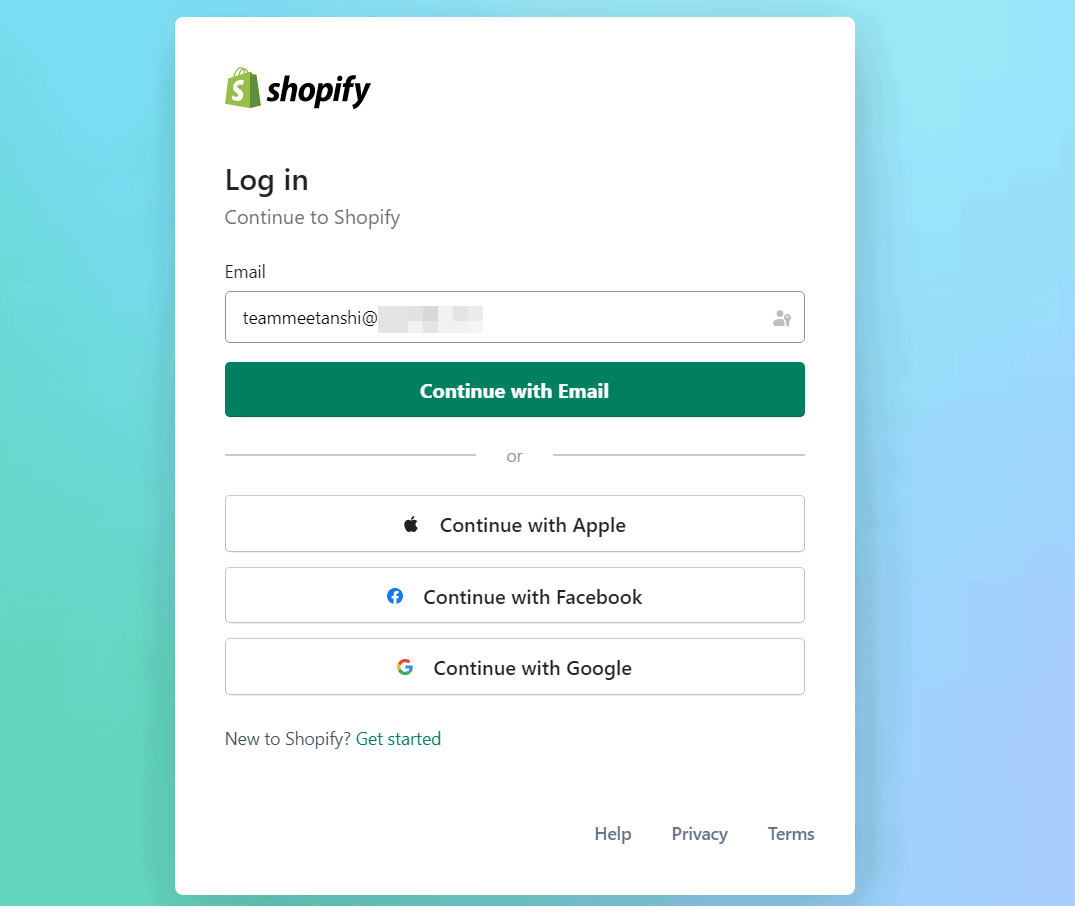
Accessing your Shopify Admin Dashboard is essential for managing your online store's operations, including product listings, orders, and customer interactions. To log in, navigate to the Shopify login page. Enter your store's unique domain (e.g., yourstorename.myshopify.com) and proceed by clicking "Next." Input the email address associated with your Shopify account, followed by your password, and click "Log in." If you enable two-factor authentication, you'll be prompted to enter the verification code sent to your device


Shopify Partner Login:

Accessing the Shopify Partner Dashboard is essential for developers, designers, marketers, and agencies collaborating within the Shopify ecosystem. To log in, navigate to the Shopify Partner portal and click "Log in" at the top-right corner. Enter the email address associated with your Shopify Partner account, followed by your password, and click "Log in." If two-factor authentication is enabled, you'll be prompted to enter the verification code sent to your device. 


By following these steps, you can seamlessly access and manage your Shopify platforms, ensuring efficient store operations and collaborations.


For a detailed blog : https://meetanshi.com/blog/shopify-login/

How to Display Product Thumbnails in Magento 2 Admin Grid

 Magento 2 provides a highly customizable admin panel, allowing developers to enhance the UI grid to improve usability. One such customization is adding product thumbnails to the admin product grid. This feature makes it easier for store admins to identify products visually. In this blog, we’ll guide you through the process of displaying product thumbnails in the Magento 2 admin grid.


Why Add Product Thumbnails to Magento 2 Admin Grid?

Adding product thumbnails to the Magento 2 admin grid enhances usability by allowing store admins to quickly identify products without needing to check detailed descriptions. This customization improves the overall admin experience, making product management more efficient and intuitive. By having a visual representation of each product, admins can save time, as they no longer need to open individual product details to verify images. This small but effective enhancement significantly streamlines workflow, especially for stores with large inventories.


Adding product thumbnails to the Magento 2 admin grid enhances the efficiency of product management. It allows store admins to identify products visually, reducing the need for unnecessary clicks. By following the steps outlined in this guide, you can seamlessly integrate this feature into your Magento 2 store.


For a detailed blog: https://meetanshi.com/blog/add-image-thumbnail-column-in-magento-2-admin-ui-grid/

Thursday, February 27, 2025

SEO Tactics to Dominate Seasonal Sales & Pop-Up Events

 Seasonal sales and pop-up events are golden opportunities for e-commerce businesses to boost revenue, attract new customers, and clear inventory. However, without a strong SEO strategy, your promotions may go unnoticed. This guide will outline proven SEO tactics to maximize visibility and conversions for your recurring e-commerce events.


Understanding Seasonal Sales & Pop-Up SEO

Seasonal SEO is a targeted strategy that optimizes content for specific times of the year when customer demand peaks. Pop-up event SEO, on the other hand, focuses on short-term but high-impact marketing efforts. The key is to ensure search engines index your pages ahead of time and that they maintain authority for future recurring events

Key SEO Tactics for Seasonal Sales & Pop-Up Events


To optimize SEO for seasonal sales and pop-up events, businesses should create dedicated landing pages in advance, use seasonal keywords, and implement schema markup for better search visibility. Crafting engaging content like blog posts and gift guides can attract organic traffic, while optimizing for local and mobile search ensures greater reach. Leveraging countdown timers, internal linking, and external backlinks strengthens rankings. Additionally, social media and email marketing help drive traffic, and monitoring performance with Google Analytics allows for real-time adjustments to improve effectiveness.


Conclusion

A well-executed SEO strategy for seasonal sales and pop-up events can significantly boost visibility, engagement, and revenue. By planning ahead, optimizing content, and leveraging technical SEO, your e-commerce store can dominate seasonal search results and attract high-intent shoppers year after year.

For a detailed blog:https://meetanshi.com/blog/seo-strategy-for-recurring-e-commerce-events-seasonal-sales-pop-store/


Get more of our update !